
"coffee market rates"
5000 article(s) found
Analysis of China Coffee Consumption Market in 2015
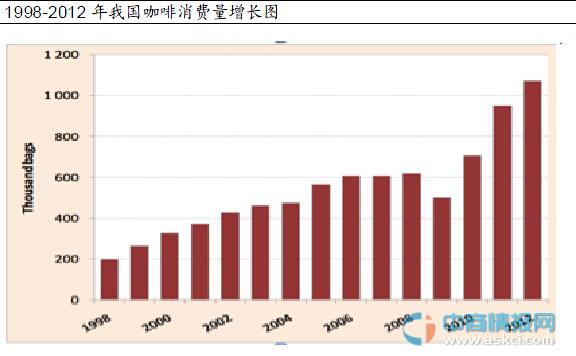
1. Changes in coffee drinking volume and drinking structure in China: compound 13% growth, instant-ready to drink-fresh grinding From 1998 to 2012, coffee consumption in China increased from 199,000 bags to 1.1 million bags, with an annual growth rate of about 12.8%. China has a population of about 1.3 billion, and coffee consumption has risen from 9.6 grams to 47.6 grams, with an average annual growth rate of about 12.1%. If the growth rate of 12.8% is maintained, the deadline

China's coffee consumption is increasing year by year-the growth rate has been stable at more than 16% in the past decade.
In terms of absolute quantity, coffee consumption in China is still in the doldrums. At present, the scale of the global coffee consumption market is about 12 trillion RMB. The United States is the largest coffee consumption market in the world, with an annual consumption of about 3 trillion RMB, while the coffee consumption market in China is about 70 billion RMB. However, in terms of growth rate, the annual growth rate of coffee consumption in China is about 15%, which is much higher than that of the whole country.

It is expected that China's coffee market will maintain a high growth rate in the next five years.
Following Kaiping (official Wechat account vdailycom) found that Beautiful Cafe opened a small shop of its own from 2011 to 2016. China's coffee market grew at a compound annual rate of 13.5%, reaching 14.793 billion yuan in 2016. According to a survey in 12 inland cities, 32% of city dwellers drink coffee. Among them, young men and women, housewives and urban white-collar workers become drinks.

China has become the engine of the world coffee market
Data from the Beijing International Coffee Industry Association and the China International Trade Center show that China's coffee consumption is growing at an annual rate of about 15%, while world coffee consumption is growing at an annual rate of only 2%. Since 1998, China's per capita coffee consumption is increasing at a rate of 30% year by year, and the number of coffee shops in large and medium-sized cities is expanding steadily at a rate of 25% a year, only in Beijing and Shanghai.

The development space of coffee consumption market expands at a rate of more than 30% every year.
1. The scale of coffee consumption market is expanding rapidly in China, with an annual growth rate of 15% at present. At present, there is only a market of 80 billion yuan, and the mature coffee consumption market is expected to reach a capacity of 300 million yuan to 400 million yuan. As a result, China's coffee consumption market is expanding rapidly. according to the fact that various coffee industry giants have entered the Chinese market this year, other Chinese markets have been adjusted.
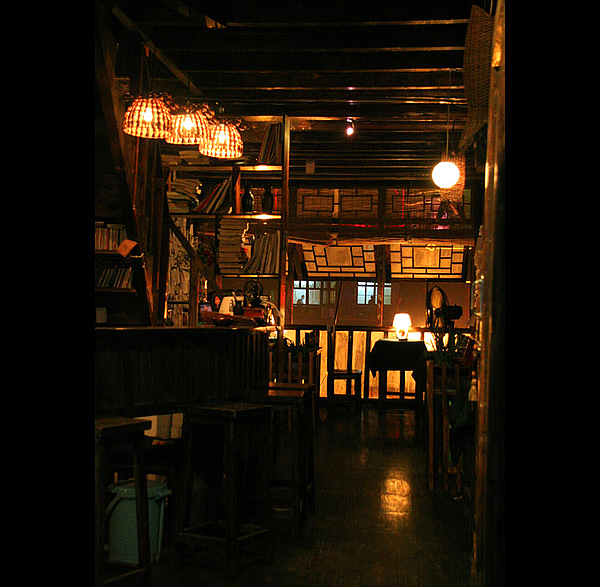
The trend of Coffee in China the Chinese coffee market is expanding at a rate of more than 30% a year.
According to the China report Hall, coffee shops have sprung up in the streets of major cities in China in the past decade, especially with the entry of Starbucks, Shangdao and other large enterprise groups, the market is showing a lively scene. We can find that the consumer group of coffee is gradually growing, the coffee culture is gradually taking shape in inland cities, and every year the domestic coffee

Coffee consumption in China is growing at an annual rate of 25%-while the average growth rate of coffee consumption in the world is
Although China's coffee consumption is facing an awkward situation, the sustained and rapid growth of consumption also makes people in the industry optimistic about the development prospects of China's coffee industry. At present, China is one of the countries with the fastest growth in coffee consumption in the world. At present, the consumption of coffee in China is about 200 billion yuan. Consumption is growing at an annual rate of 25%, while the world's coffee consumption is growing at an average rate of 2%.

China's coffee consumption has grown at an annual rate of 20%-much higher than the global growth rate of 2%.
In 2008, Huang Wenguang chose to enter Nankeng Reclamation Coffee Manor in Zhangzhou, Fujian Province, and began to grow local coffee. In his view, coffee is squeezing into the Chinese market, which is dominated by tea culture, and if coffee is to be truly successful in China, there must be a coffee bean that is more suitable for the Chinese population, and a local coffee brand with more Chinese characteristics is needed, on the one hand, the market demand for

The annual market growth rate of China's coffee industry is more than 10%.
Tea, coffee and cocoa are called the three major drinks in the world. In recent years, with the improvement of domestic economic level and the change of people's way of life and work, the market prospect of coffee is getting better and better. Coffee beans play a very important role in both private and business occasions.

Global capital is bullish on Chinese chain coffee brands and the Chinese coffee market will reach trillions of yuan in 2025.
Do you think there are more and more coffee shops around you in the past two years? No matter where it is, it is not difficult for us to find a coffee shop. According to the data, the number of new registrations of coffee shops in China was 22700 in 2020, and the size of the coffee market reached 300 billion yuan. And by the first 10 of 2021,

Starbucks 2018's latest earnings report is bright, but the Chinese market is not improving.
Professional coffee knowledge exchange more coffee bean information please follow the coffee workshop (Wechat official account cafe_style) in the early morning of November 2, Beijing time, Starbucks, the world's largest coffee chain, released its Q4 report for fiscal year 2018. This is a financial report that looks pretty at first glance. Several financial data, such as net income, same-store sales, earnings per share, and so on, are improving, which has been criticized after the release of Q3.

Shanghai seesaw Cafe
According to the data provided by Euromonitor, the period from 2011 to 2012 when boutique coffee shops such as Seesaw prepare and open stores in Shanghai is an important period for the development of China's coffee consumption market. In 2011, the annual growth rate of China's coffee market reached the highest level of 19.6% in nearly a decade since 2005. Since then, the annual growth rate of China's coffee market has gradually decreased. The annual growth rate has gradually declined since 2011.
China's coffee consumption increased by more than 20% annually, exceeding the global average growth rate by 10 times
The only coffee professional exhibition in South China 2014 Guangzhou Coffee Expo opened on the 11th. The reporter learned from the exhibition that the rapid development of China's coffee market, the annual coffee consumption growth rate of more than 20%, is more than 10 times the world average consumption growth rate. Consul generals of Uganda, Ethiopia and Turkey attended today's opening ceremony. The exhibition covers an area of nearly 10,000 square meters

The annual growth rate of coffee consumption in China is 10 times higher than that in the world.
The only coffee professional exhibition in South China, the 2014 Guangzhou Coffee Expo, opened on the 11th. The reporter learned from the exhibition that with the rapid development of China's coffee market, the annual coffee consumption growth rate is more than 20%, which is more than 10 times the world average consumption growth rate. The consul general of Uganda, Ethiopia, Turkey and other countries attended today's opening ceremony. The exhibition area is nearly 10000 square meters.

Analysis | Development of coffee shop franchise industry in China in 2017
Professional barista communication please follow the coffee workshop (Wechat official account cafe_style) Coffee one of the three major drinks in the world, which is rich in protein, crude fiber, crude fat, caffeine and so on. Because of its unique mellow taste and refreshing and exciting effect, it has gradually become an indispensable daily drink for modern people. Baristas are the second largest traded commodity in the world after oil.

The growth rate of South China market is as high as 30%-Kopi Luwak locates itself in the middle and high end market.
In addition, in order to meet more consumer demand and brand promotion, Kopi Luwak has not only pure high-end Kopi Luwak, but also medium-and low-end coffee with a selling price of about 20,30 yuan, and even instant coffee products. The ratio of high-end products to low-end products is 3:7. At present, cafes are polymorphic in China. In this context, Zhu Danpeng believes that coffee shops such as Starbucks and Pacific Cafe

Yunnan Coffee Trading Center salary recruitment Investment yce Yunnan International Coffee Trading Center
Professional coffee knowledge exchange more coffee bean information Please follow Coffee Workshop (Wechat official account cafe_style) as yce Yunnan International Coffee Trading Center, our function is to break the market pattern, so that Yunnan coffee products have a broader market space, really want to sell good coffee at good prices. Shu Yang, general manager of yce Yunnan International Coffee Trading Center, recently picked up

Coffee consumption market annual growth of 25% hand-washed grinding will be more popular
As consumers 'coffee consumption tastes are getting higher and higher. Consumers are beginning to recognize the brand, style and purity of coffee and want to enjoy coffee. The popularity of office and home coffee machines provides convenient conditions for consumers to consume coffee beans. In addition, large coffee chains have entered China, such as Starbucks, CAFFE PASCUCCI, Shangdao, Man Coffee, etc.
Chinese Coffee Market Aix Coffee plans to enter Guangzhou Market
In recent years, the population and market of coffee consumers in China have shown a trend of rapid growth, especially in the cities of Beijing, Guangzhou, Shenzhen and coastal first-tier cities, whose annual per capita consumption is increasing at a rate of 30%, far exceeding the annual growth rate of world coffee consumption. It is estimated that by 2020, China will become a big coffee consumer in the world equivalent to Japan. With such an opportunity, major brands at home and abroad are facing the big coffee market.

Colombia coffee defect rate standard What is Excelso grade standard Colombia coffee
Coffee in Colombia comes all the way from Venezuela. But in Colombia, the first place to grow coffee in large quantities was here in the province of Quincy, near this estate. Later, it moved to the coffee triangle near Medellin. At that time, a large number of rare trees, including wax palms, were cut down to plant coffee, which caused great damage to the environment. now he